


Funding Opportunities for STEM Researchers: Top Grants and Scholarships for Young Scientists
Research and innovation play an essential role in advancing science, engineering, and technology. However, conducting high-quality research often requires financial resources for laboratory equipment, research materials, software, fieldwork, travel, and academic collaboration.
For students, PhD scholars, early-career scientists, and engineering researchers, finding suitable research funding can be one of the biggest challenges in building an academic career.
Fortunately, various universities, government organisations, research institutions, international foundations, and academic associations offer grants, fellowships, and scholarships to support scientific research and technological innovation.
These funding opportunities help researchers develop new ideas, conduct experiments, participate in international conferences, and contribute to scientific progress.
However, identifying the right funding programme requires careful planning. Researchers must understand eligibility requirements, prepare strong applications, develop realistic budgets, and communicate the potential impact of their research.
In this article, we explore different funding opportunities for STEM researchers, popular scholarship and grant programmes, and practical strategies for securing financial support for scientific and technological research.
1. Why Research Funding Is Important for Young Scientists
Research funding provides financial support that allows scientists and engineers to investigate important questions, develop innovative technologies, and expand existing knowledge.
Without adequate funding, even promising research projects may face limitations due to a lack of equipment, materials, technical resources, or qualified research assistance.
Some important benefits of research funding include:
Access to Research Equipment: Funding can help researchers purchase laboratory instruments, computers, testing equipment, software, and other essential resources.
Support for Experimental Studies: Scientific experiments often require specialised materials, chemicals, components, and testing facilities. Research grants can help cover these expenses.
Academic and Professional Development: Scholarships and fellowships allow students and young scientists to focus on their research and develop specialised expertise.
International Research Exposure: Certain funding programmes support travel to international conferences, workshops, training programmes, and collaborative research projects.
Research Collaboration: Financial assistance can enable researchers from different institutions or countries to work together on scientific challenges.
Innovation and Technology Development: Funding supports the development of prototypes, new methodologies, applied technologies, and solutions to real-world problems.
For young researchers, securing financial support can make a significant difference in transforming an academic idea into a structured research project.
2. Different Types of Research Grants and Scholarships
Research funding is available through several programmes, each designed to support different academic levels, research activities, and professional objectives.
Understanding these categories can help researchers identify opportunities that match their requirements.
Research Grants
Research grants provide financial assistance for conducting specific research projects.
They may cover expenses such as laboratory materials, equipment, research assistants, software, data collection, and project-related travel.
These grants are generally awarded based on the research proposal, academic merit, project feasibility, and potential scientific contribution.
Research Scholarships
Research scholarships provide financial assistance to students pursuing undergraduate, postgraduate, doctoral, or specialised research programmes.
Some scholarships cover tuition fees, while others provide stipends or financial support for living expenses and academic activities.
Research Fellowships
Research fellowships support individuals undertaking advanced research or specialised academic training.
They are commonly available for doctoral researchers, postdoctoral scholars, and early-career scientists.
Depending on the programme, fellowships may include monthly stipends, research allowances, travel support, and access to research facilities.
Conference Travel Grants
Conference travel grants help researchers attend academic events, international symposiums, technical workshops, and scientific conferences.
These programmes may cover registration fees, transportation, accommodation, or other eligible travel expenses.
They are particularly valuable for young scientists who want to present their research and connect with international experts.
Innovation and Development Grants
Innovation grants support projects that aim to develop new technologies, products, engineering solutions, or practical applications of scientific research.
These programmes may be particularly relevant to researchers working in artificial intelligence, renewable energy, biotechnology, robotics, advanced materials, and sustainable technologies.
3. Popular International Research Funding Opportunities
Researchers looking for international funding can explore programmes offered by governments, universities, foundations, and research organisations.
Eligibility, funding amounts, application deadlines, and research requirements vary between programmes. Applicants should always consult official programme websites for the latest information.
Fulbright Program
The Fulbright Program is an international educational exchange initiative that provides opportunities for students, scholars, researchers, and professionals.
Depending on the country-specific programme, opportunities may include research exchanges, academic fellowships, and educational collaborations.
It is particularly relevant for researchers interested in international academic exposure and cross-cultural knowledge exchange.
Official website: https://fulbrightprogram.org/
DAAD Research Grants
The German Academic Exchange Service (DAAD) offers scholarships and research funding opportunities for international students, doctoral researchers, and academics.
Its programmes support academic exchange and research activities in Germany across various disciplines, including engineering, natural sciences, and technology.
Applicants should review the specific eligibility criteria and available programmes for their country and academic level.
Official website: https://www.daad.de/en/
Marie Skłodowska-Curie Actions (MSCA)
Marie Skłodowska-Curie Actions is a European Union funding programme that supports research training, international mobility, and researcher career development.
It provides opportunities through doctoral networks, postdoctoral fellowships, and collaborative research initiatives.
MSCA is particularly relevant to researchers interested in international research experience and scientific collaboration within Europe and beyond.
Official website: https://marie-sklodowska-curie-actions.ec.europa.eu/
European Research Council (ERC) Grants
The European Research Council supports excellent frontier research across scientific disciplines.
Its funding schemes include opportunities for researchers at different career stages, including Starting Grants, Consolidator Grants, and Advanced Grants.
These programmes are designed to support ambitious research projects with the potential to make significant scientific contributions.
Official website: https://erc.europa.eu/
Commonwealth Scholarships
Commonwealth Scholarships support eligible students and researchers from Commonwealth countries who wish to pursue higher education and research opportunities in the United Kingdom.
Depending on the scholarship category, funding may support master's studies, doctoral research, and academic development.
Indian applicants and other eligible candidates should review the current country-specific requirements before applying.
Official website: https://cscuk.fcdo.gov.uk/
4. Research Funding Opportunities in India
India offers several research funding and scholarship opportunities through government departments, scientific organisations, universities, and research institutions.
These programmes support research in science, engineering, technology, medicine, agriculture, and interdisciplinary subjects.
Anusandhan National Research Foundation (ANRF)
The Anusandhan National Research Foundation supports research and development activities across scientific and technological disciplines.
It aims to strengthen India's research ecosystem, promote innovation, and encourage collaboration between academic institutions and research organisations.
Researchers should explore the available funding schemes and application announcements through its official website.
Official website: https://anrfonline.in/
Council of Scientific and Industrial Research (CSIR)
The Council of Scientific and Industrial Research is one of India's major research and development organisations.
CSIR provides research opportunities and fellowship programmes, including the CSIR Junior Research Fellowship, subject to applicable eligibility requirements and current notifications.
These opportunities are particularly relevant to students interested in scientific research and doctoral studies.
Official website: https://www.csir.res.in/
University Grants Commission (UGC)
The University Grants Commission supports higher education and academic development in India.
It administers various fellowship and scholarship programmes for eligible students and researchers.
Applicants should review current UGC notifications to identify programmes relevant to their educational qualifications and research interests.
Official website: https://www.ugc.gov.in/
Department of Science and Technology (DST)
The Department of Science and Technology supports scientific research, technological innovation, and research infrastructure development in India.
Its programmes cover different research areas, including emerging technologies, scientific innovation, entrepreneurship, and interdisciplinary research.
Researchers should check the latest funding announcements and eligibility conditions through the official portal.
Official website: https://dst.gov.in/
Department of Biotechnology (DBT)
The Department of Biotechnology supports research and development in biotechnology and related scientific fields.
Its funding opportunities may be relevant to researchers working in molecular biology, agricultural biotechnology, healthcare, bioinformatics, and other life-science disciplines.
Official website: https://dbtindia.gov.in/
5. How to Find the Right Research Grant or Scholarship
Finding a suitable funding opportunity requires more than searching for available scholarships online.
Researchers should identify programmes that match their academic background, research topic, career stage, and funding requirements.
Here are some effective ways to discover relevant opportunities.
Explore Government Research Portals: Government departments and research organisations regularly announce grants, scholarships, and fellowship opportunities through their official websites.
Check University Funding Opportunities: Many universities provide internal research grants, doctoral scholarships, travel support, and collaborative funding programmes.
Follow International Research Organisations: Academic associations, international foundations, and research institutions often publish funding announcements for eligible researchers.
Attend Academic Conferences: Scientific conferences and research events can help participants learn about funding programmes, research partnerships, and institutional opportunities.
Connect with Research Supervisors: Experienced professors and academic mentors can provide useful guidance about funding sources relevant to particular disciplines.
Use Academic Networks: Professional platforms and research communities can help researchers discover funding announcements and connect with potential collaborators.
Before applying, carefully check whether the funding programme supports your research discipline, country, academic qualification, and intended research activities.
6. How to Prepare a Strong Research Grant Application
A well-prepared funding application should clearly explain the research problem, proposed methodology, expected outcomes, and importance of the project.
Funding organisations receive applications from many researchers, so it is important to communicate your research proposal effectively.
Develop a Clear Research Proposal
Your proposal should explain what you intend to investigate, why the topic is important, and how you plan to conduct the research.
A typical research proposal includes:
- Research title.
- Background and introduction.
- Research problem.
- Research objectives.
- Literature review.
- Research methodology.
- Expected outcomes.
- Project timeline.
- References.
Make sure the proposal is focused, logically structured, and aligned with the funding organisation's priorities.
Explain the Research Significance
Funding committees want to understand why your research deserves financial support.
Explain the existing problem, identify the research gap, and describe how your work could contribute to scientific knowledge, technological development, or practical applications.
Where possible, support your explanation with relevant academic references and preliminary research findings.
Prepare a Realistic Research Budget
A research budget should clearly explain how the requested funding will be used.
Depending on the programme, eligible expenses may include:
- Research equipment.
- Laboratory materials.
- Software and technical tools.
- Fieldwork and data collection.
- Research assistance.
- Travel and accommodation.
- Conference registration.
- Publication-related expenses.
Always follow the funding organisation's financial guidelines and avoid including unsupported or unnecessary expenses.
Highlight Your Academic Background
Include relevant academic qualifications, previous research experience, publications, technical skills, conference participation, and other achievements.
Early-career researchers without an extensive publication record can highlight their research training, project experience, academic performance, and potential to contribute to the proposed study.
Follow Application Guidelines
Every funding programme has specific requirements.
Check the application deadline, eligibility criteria, document format, recommendation letters, reference requirements, and submission procedure.
Submitting a complete and properly formatted application can help avoid unnecessary administrative delays.
7. Common Reasons Research Funding Applications Are Rejected
Even promising research proposals may not receive funding.
Understanding common application weaknesses can help researchers prepare stronger submissions.
Unclear Research Objectives: Proposals without clearly defined objectives may make it difficult for reviewers to understand the purpose of the project.
Weak Research Methodology: A proposal should explain how the research will be conducted and why the selected methods are appropriate.
Unrealistic Budget: Funding requests should be reasonable, justified, and aligned with the proposed activities.
Limited Originality: Research should demonstrate a meaningful contribution or address a relevant research gap.
Poor Presentation: Grammatical mistakes, incomplete documentation, and inconsistent formatting can affect the overall quality of an application.
Ignoring Eligibility Requirements: Applying without meeting the required academic, professional, or geographical criteria can lead to rejection.
Missing Deadlines: Late applications are generally not considered unless the programme explicitly provides an alternative arrangement.
Researchers should carefully review their applications before submission and seek feedback from experienced supervisors or colleagues whenever possible.
8. How International Conferences Can Support Young Researchers
Research funding and international conference participation are closely connected aspects of academic development.
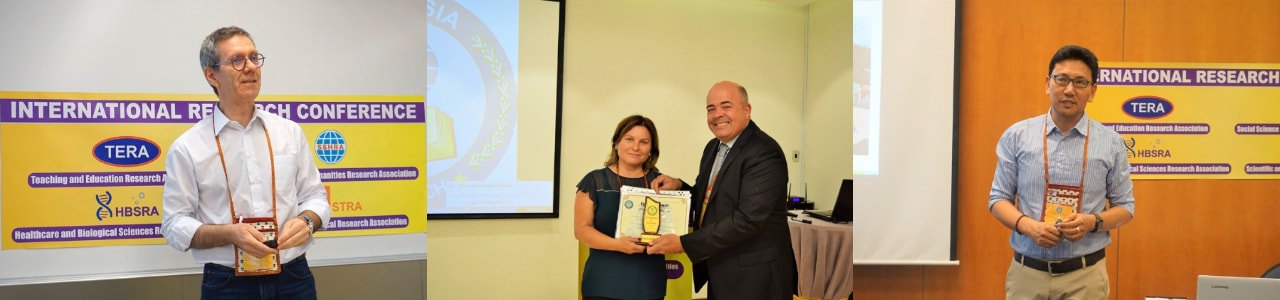
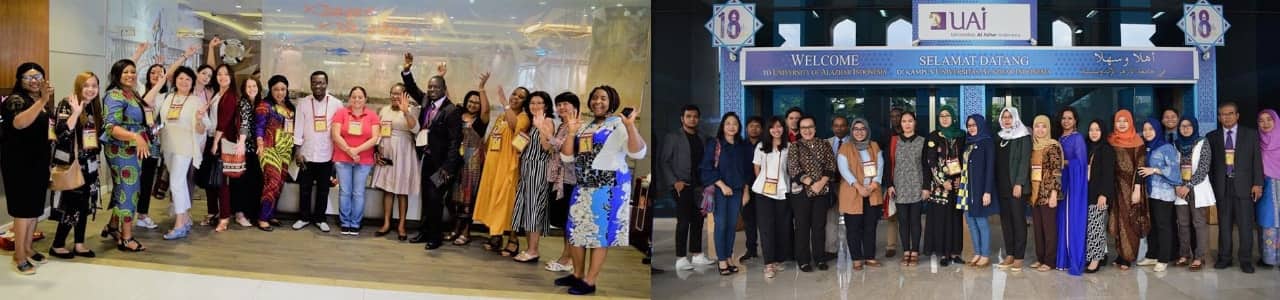
Conferences allow researchers to present their findings, receive feedback, learn about emerging developments, and build professional relationships with scientists and engineers from different countries.
For young researchers, participating in international conferences can provide several benefits.
Research Presentation Experience: Presenting a paper helps researchers communicate their findings to a wider academic audience.
Global Academic Networking: Conferences create opportunities to connect with researchers, professors, and professionals working in related disciplines.
Knowledge Exchange: Technical sessions and expert discussions expose participants to new research methodologies, technologies, and scientific developments.
Collaboration Opportunities: Academic networking may lead to joint research projects, institutional partnerships, and future funding collaborations.
Professional Development: Conference participation helps researchers improve their presentation, communication, and academic discussion skills.
Organisations such as the Scientific and Technical Research Association (STRA) provide platforms for researchers and professionals to explore international science and technology conferences and participate in global academic discussions.
Researchers interested in presenting their work can explore relevant conference announcements and participation information through the official STRA website.
9. Practical Tips for Young Scientists Seeking Research Funding
Securing research funding requires patience, preparation, and a clear understanding of available opportunities.
Young scientists can improve their approach by following these recommendations:
- Start searching for funding opportunities early rather than waiting until the research project is ready to begin.
- Identify grants that match your research discipline and academic level.
- Maintain an updated academic CV and research profile.
- Develop strong research proposals with clearly defined objectives.
- Build relationships with experienced researchers and academic mentors.
- Attend relevant workshops, seminars, and international conferences.
- Maintain proper research records and supporting documentation.
- Check official funding announcements regularly.
- Apply to suitable opportunities without relying on a single funding source.
- Learn from previous applications and improve future submissions.
Researchers should also remember that funding decisions can take time. Rejections are not necessarily a reflection of a researcher's overall ability. They may indicate that the proposal needs further development or that the programme has limited funding availability.
Conclusion
Research grants, scholarships, and fellowships play an important role in supporting young scientists, engineers, and STEM researchers.
From funding laboratory experiments and doctoral studies to supporting international research collaboration and conference participation, financial assistance can help researchers turn promising ideas into meaningful scientific contributions.
However, securing funding requires more than identifying available programmes. Researchers must understand eligibility requirements, prepare well-structured proposals, develop realistic budgets, and clearly communicate the importance of their research.
International research exposure is equally valuable for building a successful academic career. Participating in scientific conferences, connecting with international experts, and exchanging knowledge can create opportunities for future collaboration and professional growth.
Through research opportunities and academic platforms such as the Scientific and Technical Research Association (STRA), scientists and professionals can engage with the wider research community and explore opportunities to share their work internationally.
For young researchers, the journey towards scientific innovation begins with curiosity, consistent effort, and the determination to turn research ideas into practical contributions.
Frequently Asked Questions (FAQs)
1. What are research grants for STEM researchers?
Research grants are financial awards provided by government organisations, universities, foundations, and research institutions to support scientific, engineering, and technological research projects.
2. How can young scientists get funding for research?
Young scientists can explore government grants, university scholarships, research fellowships, international funding programmes, and institutional research opportunities. They generally need to meet eligibility requirements and submit a research proposal.
3. What is the difference between a research grant and a scholarship?
A research grant generally supports a specific research project or activity, while a scholarship provides financial assistance to eligible students pursuing academic studies or research programmes.
4. Are international research grants available for Indian students?
Yes. Eligible Indian students and researchers can explore international scholarship and funding programmes offered by universities, governments, research organisations, and foundations. Eligibility varies by programme.
5. What should be included in a research grant proposal?
A typical research grant proposal includes the research background, problem statement, objectives, literature review, methodology, expected outcomes, project timeline, budget, and references.
6. Can PhD students apply for research funding?
Yes. Many research organisations and universities offer doctoral fellowships, scholarships, and project-based funding opportunities for eligible PhD students.
7. How can researchers find international scholarships?
Researchers can check official websites of international universities, academic exchange organisations, government departments, and research foundations. They should verify deadlines and eligibility requirements before applying.
8. What is a conference travel grant?
A conference travel grant is financial assistance provided to eligible researchers to help cover expenses associated with attending academic conferences, such as travel, accommodation, and registration fees.
9. Why is academic networking important for young researchers?
Academic networking helps researchers connect with experts, exchange ideas, explore collaboration opportunities, discover research funding programmes, and develop their professional academic profiles.
10. How can STRA help researchers connect with the global research community?
The Scientific and Technical Research Association (STRA) provides a platform for researchers and professionals to explore international science and technology conferences, participate in academic events, present research, and engage with the wider scientific community.
