



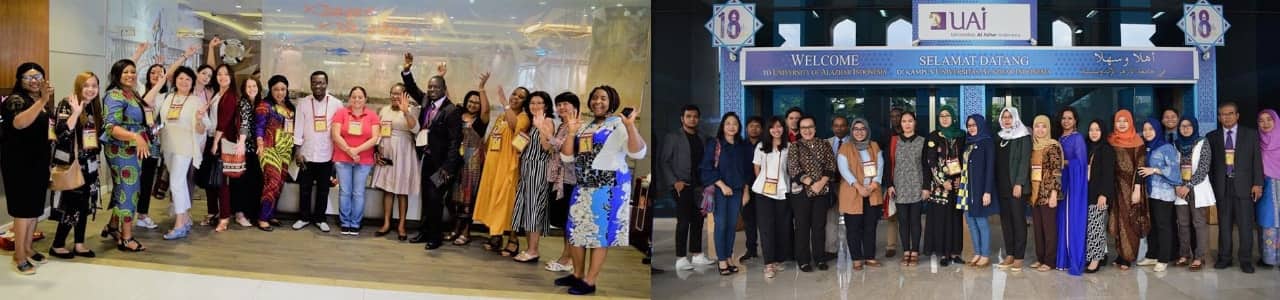

Why Global Networking Matters for Scientists and Engineers: Building Cross-Border Research Partnerships
Introduction
Science and engineering are no longer limited by geographical boundaries. Many of the most important challenges facing the world today—including climate change, public health, renewable energy, artificial intelligence, sustainable infrastructure, and advanced manufacturing—require knowledge and expertise from different countries and disciplines.
For scientists and engineers, building professional connections beyond their home institutions can open doors to new research opportunities, international collaborations, academic publications, funding programmes, and career development. This is why academic networking for scientists and engineers has become an important part of professional growth.
Global networking is not simply about meeting people at conferences or connecting with researchers on professional platforms. It is about developing meaningful relationships, exchanging ideas, sharing expertise, and creating opportunities to work together on research that can make a difference.
In this article, we explore why international networking matters, how researchers can build valuable connections, and how cross-border partnerships contribute to scientific and technological progress.
1. What Is Global Academic Networking?
Global academic networking refers to building professional relationships with researchers, academics, engineers, institutions, industry professionals, and scientific organisations across different countries.
These connections can develop through:
- International research conferences and academic seminars
- Scientific workshops and technical symposiums
- Collaborative research projects
- University and institutional partnerships
- Academic publications and research journals
- Professional networking platforms
- International research communities and associations
For example, an engineering researcher in India may connect with a university professor in Germany to explore renewable energy research. Similarly, a computer science scholar may collaborate with researchers in Japan and the United States to study artificial intelligence applications.
Such connections allow researchers to exchange perspectives, access different research environments, and explore solutions that may not be possible through individual efforts.
2. Why International Networking Is Important for Scientists and Engineers
Access to Diverse Knowledge and Expertise
Researchers working in different countries often have access to different academic environments, technologies, methodologies, and research facilities.
By connecting with international experts, scientists and engineers can learn about new approaches and gain insights that improve their own research.
For instance, a researcher studying environmental engineering may benefit from collaborating with international specialists working on water management, pollution control, or sustainable infrastructure.
Exposure to different perspectives can help researchers identify research gaps, improve experimental methods, and develop more comprehensive solutions.
Opportunities for International Research Collaboration
One of the biggest advantages of global networking is the opportunity to work with researchers from other institutions and countries.
International research collaborations allow teams to combine their knowledge, skills, and resources to investigate complex problems.
These partnerships may involve:
- Joint research projects
- Collaborative experiments and technical studies
- Shared datasets and research methodologies
- Joint academic publications
- International research proposals
- Student and faculty exchange programmes
A successful research partnership can bring together specialists who contribute different forms of expertise to a common objective.
Better Academic and Professional Visibility
Building an international professional network can help researchers increase the visibility of their work.
When scientists participate in conferences, publish research, present technical findings, and engage with international academic communities, more people become aware of their contributions.
This visibility may lead to invitations to participate in research discussions, review academic papers, contribute to collaborative projects, or present findings at future events.
For early-career researchers, developing professional visibility can be particularly valuable when establishing an academic profile.
3. How International Conferences Help Build Research Networks
International conferences provide an important platform for scientists and engineers to connect with professionals working in similar or related research areas.
Unlike ordinary professional meetings, academic conferences bring together participants who are interested in sharing research findings, discussing technical challenges, and exploring new developments.
Some useful networking opportunities at conferences include:
Presenting Research Papers
Presenting a research paper gives scholars an opportunity to explain their work, receive feedback, and interact with researchers who have similar interests.
Questions and discussions after a presentation can sometimes lead to future research conversations or collaborative opportunities.
Participating in Technical Sessions
Technical sessions allow participants to understand what other researchers are working on.
Listening to presentations outside one's immediate specialisation can also introduce new ideas and interdisciplinary research possibilities.
Attending Workshops and Panel Discussions
Workshops and panel discussions provide opportunities to learn directly from experienced academics and industry professionals.
They also create opportunities for meaningful conversations with speakers, organisers, and fellow participants.
Connecting During Informal Discussions
Some valuable academic connections begin outside formal presentations.
Coffee breaks, networking sessions, poster presentations, and conference discussions can help researchers establish professional relationships in a more relaxed environment.
Researchers should approach these interactions with genuine curiosity rather than focusing only on collecting contacts.
4. The Role of Cross-Border Partnerships in Scientific Innovation
Many modern research challenges require collaboration across different scientific and engineering disciplines.
International partnerships can bring together researchers with complementary knowledge, making it easier to investigate complex problems.
Consider a few examples:
Renewable Energy: Researchers from different countries can collaborate on solar energy efficiency, wind energy systems, battery storage, and sustainable power distribution.
Artificial Intelligence: Computer scientists, engineers, healthcare professionals, and data researchers can work together to develop AI applications for healthcare, manufacturing, agriculture, and education.
Climate and Environmental Science: International teams can study climate patterns, pollution, biodiversity, water conservation, and sustainable development.
Biomedical Engineering: Scientists and engineers can combine their expertise to explore medical devices, diagnostic technologies, biomaterials, and healthcare innovations.
Advanced Materials: Researchers can collaborate on nanotechnology, smart materials, semiconductors, and advanced manufacturing techniques.
These examples demonstrate how international research partnerships can help bring different areas of expertise together to address shared challenges.
5. Career Benefits of Academic Networking for Young Researchers
For students, doctoral scholars, postdoctoral researchers, and early-career professionals, international networking can contribute significantly to long-term career development.
Learning from Experienced Researchers
Connecting with established academics and industry experts can provide valuable insights into research methods, publication standards, academic career paths, and emerging developments.
Young researchers can learn from the experiences of professionals who have worked on international projects and published in recognised journals.
Discovering Research Opportunities
Professional connections can help researchers become aware of opportunities such as:
- Research assistantships
- PhD and postdoctoral positions
- Visiting researcher programmes
- International fellowships
- Research internships
- Collaborative academic projects
Networking does not guarantee access to these opportunities, but it can help researchers discover them and understand the application process.
Improving Communication Skills
International academic interactions help researchers improve their ability to explain complex ideas to people from different professional and cultural backgrounds.
These skills are important when presenting research, writing collaborative papers, participating in academic discussions, and working with international teams.
Developing a Stronger Academic Profile
Active participation in conferences, research collaborations, publications, and academic communities can help young scholars develop a stronger professional profile.
Over time, these activities may support their academic credibility and create opportunities for further research engagement.
6. How to Build a Strong International Research Network
Building a global network takes time, consistency, and genuine professional engagement. Researchers do not need hundreds of contacts. A smaller network of relevant and active professional relationships can be much more valuable.
Here are some practical ways to get started.
Attend Relevant International Conferences
Choose conferences that align with your research interests and academic goals.
Before attending, review the programme, identify relevant speakers, and learn about the research groups participating in the event.
Prepare a short introduction explaining your research area and current interests.
Use Academic and Professional Platforms
Digital platforms make it easier to discover researchers and follow developments in specific fields.
Researchers can use platforms such as:
- LinkedIn: To connect with academics, engineers, research organisations, and industry professionals.
- Google Scholar: To discover publications and identify researchers working in related areas.
- ResearchGate: To follow research activities and engage with the academic community.
- ORCID: To maintain a recognised researcher identity and connect scholarly work with a consistent profile.
These platforms serve different purposes, so researchers should select the ones most relevant to their work.
Participate in Research Discussions
Do not limit networking to sending connection requests.
Read research papers, attend webinars, participate in academic discussions, and ask thoughtful questions. Meaningful engagement helps build professional relationships based on shared interests.
Contact Researchers with a Clear Purpose
When approaching an international researcher, explain who you are, what your research focuses on, and why you are interested in connecting.
Avoid sending generic messages asking for collaboration without explaining the research objective.
A short, personalised message is usually more effective than a lengthy introduction.
Maintain Professional Relationships
Networking should continue after the first interaction.
Follow up after conferences, share relevant research updates, acknowledge useful contributions, and stay connected through professional discussions.
Consistency helps transform a brief introduction into a long-term academic relationship.
7. Challenges in International Research Collaboration
Although global networking offers many advantages, international collaboration can also involve challenges.
Understanding these challenges can help researchers prepare more effectively.
Cultural and Communication Differences
Researchers from different countries may have different communication styles, professional expectations, and approaches to teamwork.
Respect, clear communication, and openness to different perspectives are essential for successful collaboration.
Time Zone Differences
Working across countries can make meetings and discussions difficult to schedule.
Teams can manage this by planning meetings in advance, using shared project management tools, and maintaining clear written communication.
Funding and Resource Limitations
International projects may require travel expenses, research equipment, institutional support, and funding from multiple sources.
Researchers should explore suitable funding programmes and clarify the responsibilities of each participating institution before beginning a project.
Research Ethics and Data Sharing
Different institutions and countries may follow different regulations concerning research ethics, data protection, intellectual property, and publication responsibilities.
Before starting a collaborative project, partners should agree on data ownership, authorship, research responsibilities, confidentiality, and applicable ethical requirements.
Clear agreements can prevent misunderstandings later.
8. The Importance of International Scientific Associations and Academic Communities
Scientific associations, academic organisations, and research communities play an important role in bringing researchers together.
They help create platforms where scientists, engineers, students, and academics can exchange knowledge and remain connected with developments in their fields.
Through conferences, seminars, workshops, and other academic activities, these communities can support professional interaction and research discussions.
For researchers interested in international academic participation, exploring relevant conference announcements and research activities through organisations such as the Scientific and Technical Research Association (STRA) can be one way to identify opportunities to engage with the wider scientific community.
Participation in suitable academic events can help researchers present their work, learn from other professionals, and develop connections with people who share similar research interests.
9. Best Practices for Maintaining Long-Term Research Partnerships
Establishing a connection is only the beginning. Strong research partnerships require trust, communication, and shared objectives.
Researchers can follow these practices to maintain productive professional relationships:
- Set clear research goals: Define the purpose, expected outcomes, and responsibilities of the collaboration.
- Communicate regularly: Keep partners informed about progress, challenges, and important decisions.
- Respect different perspectives: Encourage open discussion and recognise the expertise of every team member.
- Maintain transparency: Be clear about research methods, data, funding, authorship, and project timelines.
- Share relevant updates: Exchange publications, findings, and developments that may be useful to collaborators.
- Recognise contributions: Give appropriate credit to every researcher involved in the project.
- Think long term: Look beyond a single publication or conference and identify opportunities for continued cooperation.
A successful international partnership is built through shared effort and professional trust.
10. The Future of Global Networking in Science and Engineering
The future of academic networking will increasingly combine physical and digital interactions.
Online conferences, virtual research seminars, collaborative platforms, and international academic communities have made it easier for researchers to communicate across geographical boundaries.
Artificial intelligence, cloud-based research tools, and digital collaboration systems may further improve how international teams share information and coordinate projects.
However, technology alone cannot create successful partnerships. Researchers still need clear objectives, mutual respect, reliable communication, and a genuine interest in working together.
As scientific and technological challenges become more interconnected, global networking is likely to remain an important part of academic and professional development.
Conclusion
Global networking has become an important element of modern scientific and engineering research. It allows researchers to exchange knowledge, explore new ideas, develop international collaborations, and discover opportunities for academic and professional growth.
For young scientists and experienced researchers alike, building relationships beyond institutional and national boundaries can provide access to diverse expertise and new perspectives.
International conferences, scientific associations, academic platforms, and collaborative research projects all offer opportunities to develop these connections.
The most valuable networks are not built simply by collecting contacts. They grow through meaningful discussions, shared research interests, professional trust, and consistent collaboration.
By investing time in academic networking for scientists and engineers, researchers can strengthen their professional communities and contribute to scientific progress that reaches beyond borders.
Frequently Asked Questions (FAQs)
1. Why is global networking important for scientists and engineers?
Global networking helps scientists and engineers exchange knowledge, discover research opportunities, connect with international experts, and develop collaborative projects. It also supports professional visibility and career development.
2. How can young researchers build an international academic network?
Young researchers can attend international conferences, participate in webinars, publish research, join academic communities, and connect with relevant professionals through platforms such as LinkedIn, ResearchGate, Google Scholar, and ORCID.
3. What are the benefits of international research collaboration?
International research collaboration brings together different areas of expertise, research facilities, and perspectives. It can improve research quality, encourage innovation, support joint publications, and help address complex scientific challenges.
4. Do international conferences help researchers find collaborators?
Yes. Conferences provide opportunities to meet researchers with similar interests, present research findings, participate in technical discussions, and explore potential collaborations. However, successful partnerships usually require follow-up communication and clearly defined research objectives.
5. Which platforms are useful for academic networking?
LinkedIn, ResearchGate, Google Scholar, and ORCID are useful platforms for different aspects of academic networking. Researchers can also connect through university research groups, scientific associations, academic journals, and international conferences.
6. How can researchers maintain international collaborations?
Researchers can maintain collaborations through regular communication, shared research goals, transparent responsibilities, timely project updates, and mutual respect. Clear agreements about authorship, data sharing, and intellectual property are also important.
7. Can networking help researchers find international scholarships or research funding?
Networking can help researchers learn about scholarships, fellowships, grants, and research programmes through academic contacts and research communities. However, applicants must always check official funding sources for eligibility requirements and application deadlines.
